
Florida Commercial Property Financing
Commercial Real Estate Loans in Tampa
Capital decisions for apartment communities, storefronts, offices and industrial properties begin with a clear picture of the asset.
Financing commercial property around a workable business plan
A commercial building is more than collateral. It is a collection of leases, operating expenses, physical systems and contractual responsibilities that must work together throughout the ownership period. A financing proposal should reflect those realities rather than rely only on a purchase price or a promising neighborhood. Commercial Real Estate Loans Florida helps Tampa property owners organize the conversation around the asset they actually have and the outcome they want to achieve.
You may be acquiring an apartment community, replacing a maturing shopping-center loan, purchasing premises for your business or comparing options for a leased warehouse. Each situation raises different questions about repayment, ownership and flexibility. A fully occupied property with durable leases is not underwritten in the same way as a building facing substantial tenant turnover. Identifying those differences early helps keep expectations realistic before report fees and contractual deadlines become difficult to change.
Our focus is practical: understand the property, document the income, identify the obligations and compare the conditions attached to available financing. We do not promise approval from a brief conversation or present an advertised loan amount as a commitment. We help you see which information matters, where a lender may adjust your assumptions and what needs to be resolved before a closing can responsibly move forward.
Loan Programs
Commercial financing by property type
Explore financing considerations for multifamily properties with five or more units, retail centers, office buildings, industrial and warehouse assets, mixed-use properties and commercial loan requirements. Each program page explains the asset-specific records and risks that can influence a lender’s review.
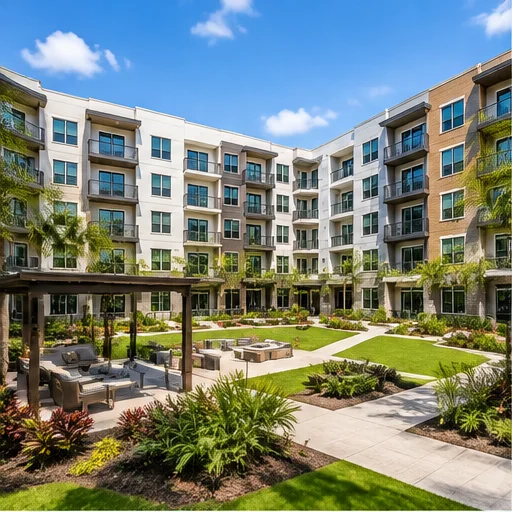
Multifamily Loans (5+ Units)
Apartments are operated unit by unit, but financed as an integrated commercial property. Start with collections, expenses and the capital needed to maintain the community.
Learn moreRetail Property Loans
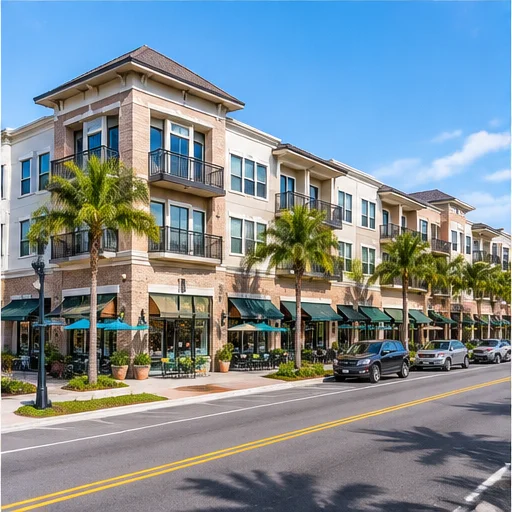
Evaluate storefront leases, tenant concentration, access and expense reimbursements before choosing financing for a shopping center or retail building.
Learn moreOffice Building Loans
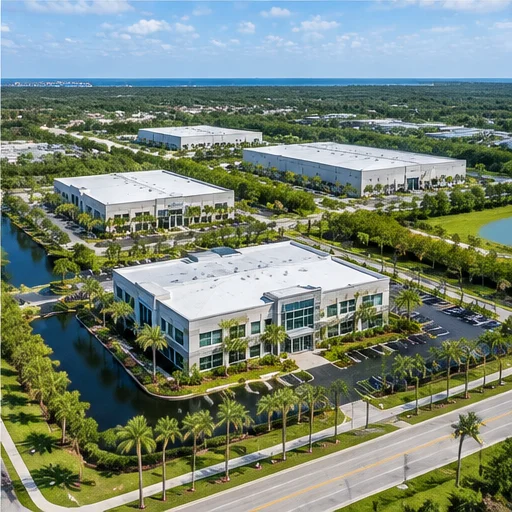
Match office financing to tenant commitments, rollover costs and the building’s ability to serve its next occupants.
Learn moreIndustrial and Warehouse Loans
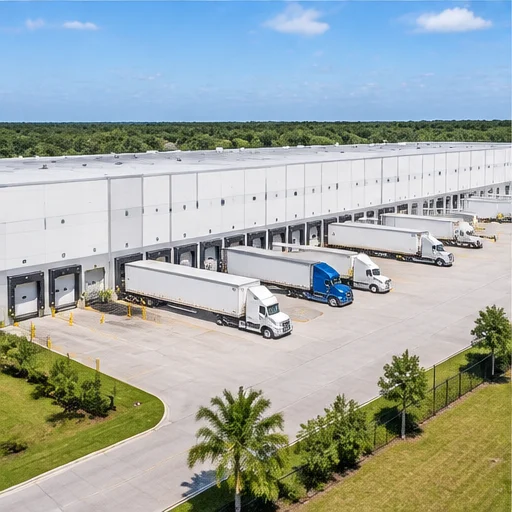
Bring the building specifications, lease obligations and use history into the financing review for industrial and warehouse assets.
Learn moreMixed-Use Property Loans
Separate residential and commercial income, obligations and operating costs before financing a building that serves several uses.
Learn moreCommercial Real Estate Loan Requirements
Prepare a property file that explains the income, collateral, ownership and obligations behind the financing request.
Learn moreA property-first conversation with Asheya Dixon
Your starting point does not have to be a perfectly assembled loan package. A useful first discussion can begin with the address, building use, occupancy, purchase price or estimated value, existing financing and expected closing date. Asheya Dixon can then help distinguish the information needed for an initial review from the records required later for underwriting.
Commercial Real Estate Loans Florida serves owners and investors throughout Florida while making Tampa the center of this site’s financing guidance. Our approach avoids treating retail, apartments and industrial space as interchangeable investments. The questions should follow the tenant base, the condition of the improvements and the way the property generates cash.
We also recognize that financing decisions involve other professionals. Your attorney, accountant, commercial broker, property manager and insurance adviser each have a role that lending guidance does not replace. Coordinating their input helps an owner compare choices with a more complete understanding of cash requirements and contractual exposure.
A clearer commercial financing discussion
Asset-specific review
Apartment collections, retail lease reimbursements and warehouse building specifications tell different stories. We begin with the documents that explain your property’s actual operations.
Terms beyond the payment
A useful comparison includes reserves, recourse, maturity and exit restrictions. We encourage owners to look beyond the most attractive number in a proposal.
A manageable document path
Separate preliminary property facts from sensitive underwriting records. Clarifying the next requested item makes preparation more focused and reduces avoidable back-and-forth.
Florida operating realities
Insurance availability, storm exposure, tax reassessment and building maintenance can alter financing capacity. They belong in the discussion before closing, not afterward.
Honest boundaries
A quote is not an approval, and no property type qualifies automatically. We explain uncertainty so an owner can plan contingencies rather than rely on unsupported assurances.
How lenders turn property income into a loan decision
Commercial underwriting begins by reconciling what the property collects with what it costs to operate. A seller’s marketing package may emphasize scheduled revenue, but a lender needs a supportable picture of recurring income. Rent rolls, leases, bank-supported collections and operating statements help explain that picture. Unpaid balances, concessions, temporary reimbursements and one-time payments should be identified rather than blended into a headline income figure.
Net operating income is generally calculated before debt payments and income taxes, with the exact adjustments determined by the lender. Property taxes, insurance, management, utilities, maintenance and other operating items affect the calculation. Some lenders also deduct replacement reserves or make separate capital assumptions. An owner-managed property may receive a management allowance even when the seller has not recorded an external management fee. This prevents a financing decision from depending on work that happens to be unpaid today.
Debt service coverage relates that underwritten income to the proposed annual loan payments. If expenses rise or qualifying income falls, a previously attractive loan request may need to be reduced. The payment assumption matters too: underwriting can use a stressed payment rather than only the introductory payment shown in an early conversation. Ask how both sides of the calculation were assembled before comparing proposals.
For a Tampa acquisition, build a reconciliation between trailing results and the buyer’s budget. Explain any expected tax reset, new insurance premium, utility transfer or management change. Document signed rent increases separately from hoped-for leasing gains. A transparent bridge between the past and the future is more useful than an optimistic projection that leaves the lender to guess which assumptions are contractual and which remain aspirational.
Acquiring a building without overlooking the closing cash
A commercial purchase involves several cash commitments before the first debt payment. Equity is only one part of that total. An owner may also need funds for lender fees, reports, legal work, title charges, deposits, insurance and immediate repairs. Some transactions establish reserves at closing for future improvements or tenant obligations. Identifying these categories early allows the buyer to compare the whole funding requirement rather than only the proposed loan proceeds.
Start with the purchase agreement and its financing, diligence and closing provisions. Know when the deposit becomes nonrefundable, which reports are available and whether their reliance can transfer to a new lender. A prior appraisal or environmental report may be informative without satisfying the new lender’s engagement standards. Do not assume that an old report eliminates the need to budget for updated work.
The seller’s records deserve a careful review alongside the building inspection. Tenant security deposits, unpaid reimbursements, lease concessions and prepaid rent may affect closing adjustments and the income you receive after taking ownership. A commercial real estate attorney can help determine how those items are treated in the contract and closing statement. The lender’s approval does not replace the buyer’s contractual protections.
Consider the first operating period as part of the acquisition plan. A property can appear well occupied and still need cash for a near-term roof project, a tenant buildout or a delayed reimbursement. Leave room for those needs instead of committing every available dollar to the down payment. Share material obligations during financing review so the proposed structure is considered in the context of your actual post-closing liquidity.
Refinancing around maturity, repairs and tenant rollover
A refinance is not merely a replacement of one payment with another. It can change the maturity schedule, guarantor obligations, reserve requirements and freedom to sell. The right comparison begins with the reason for refinancing: an approaching balloon, a change in ownership, an expiring fixed-rate period or a need to address property improvements. State that objective clearly before focusing on any single term.
Collect the existing note, current balance, maturity date and applicable payoff provisions. Some owners discover that a prepayment requirement continues beyond the period they expected. Others have loan agreements that require consent for an ownership change or new subordinate debt. Written confirmation of those obligations can prevent an attractive new proposal from being undermined by an expensive or restricted exit from the old loan.
Property performance may also have changed since the prior financing. A major retail tenant could be near expiration, an office floor may be vacant or an apartment community may carry higher insurance costs. Show the lender both current operations and the documented plan for resolving any weakness. A refinance based on unsigned leases or future repairs will receive different scrutiny from one supported by completed work and established collections.
If equity extraction is part of the objective, evaluate the resulting cash cushion and ongoing payment obligations. Available equity on paper is not the same as lender-permitted proceeds, and value alone does not prove repayment capacity. Compare the proposed debt with a conservative operating case. Refinancing should leave the property able to function through an ordinary interruption, not merely solve the immediate maturity date at the expense of long-term resilience.
Matching the loan discussion to the commercial asset
Multifamily properties rely on a diversified collection of residential tenants, but turnover and recurring maintenance remain meaningful expenses. A unit-level rent roll helps reveal delinquency, concessions, lease expiration patterns and renovated versus unrenovated inventory. Lenders may also examine utility arrangements, property management and deferred maintenance. Occupancy without reliable collections does not tell the full story of an apartment community.
Retail buildings require close attention to the leases that allocate expenses and define tenant rights. The strength of the largest tenant, permitted uses, renewal options and reimbursement provisions can shape underwriting. Parking, visibility and access matter to the occupants’ businesses, while co-tenancy or termination clauses can create risks beyond a basic expiration date. A plaza with many storefronts can still depend heavily on a single anchor.
Office financing brings questions about lease duration, buildout costs and how readily vacant space can serve a different user. Large contiguous spaces, medical improvements and specialized layouts may have different reletting needs. Industrial assets add physical specifications such as loading, clear height, electrical service and truck circulation. A warehouse’s square footage alone does not explain whether replacement tenants could use it efficiently.
Mixed-use buildings combine several of these operating systems. Residential and commercial leases, insurance considerations, utility billing and permitted uses need to be understood together. Separating income and expenses by use helps identify which component supports the requested debt and which may need additional reserves. Our program pages follow these distinctions so the financing conversation reflects the property’s actual tenant mix rather than an overly broad commercial label.
Recourse, reserves and the terms that shape ownership
Commercial loan documents create obligations that continue well after the closing funds arrive. Recourse determines when a lender can look beyond the collateral to a borrower or guarantor. A nonrecourse label can still come with carve-out guarantees, environmental indemnities and other specific obligations. The distinction is important enough to review with independent counsel rather than infer from a summary sheet.
Reserve arrangements also deserve attention. A lender may require funds for taxes, insurance, repairs, tenant improvements, leasing commissions or replacement of building components. Some reserves are funded at closing; others are built through ongoing deposits. Understand the conditions for requesting a release, the evidence required and whether unspent funds remain restricted when you sell or refinance. A reserve that supports the building can still affect your available operating cash.
Loan term and amortization are separate concepts. The repayment schedule may be longer than the period before the remaining balance is due. That creates a maturity obligation even when every monthly payment has been made on time. Think about the property’s likely condition, tenant rollover and refinance prospects at that future point rather than evaluating only the initial monthly budget.
Finally, look for operational covenants and reporting requirements. Leases, ownership transfers, additional debt and distributions may require consent or compliance with defined tests. Missing a reporting obligation can create a problem unrelated to the property’s physical condition. A practical term comparison should identify these responsibilities, who will monitor them and how the proposed loan aligns with the way you intend to manage the asset.
Appraisals, environmental reviews and building condition
Third-party reports help a lender assess risks that operating statements cannot fully capture. An appraisal examines value under an agreed scope; a property-condition assessment evaluates building systems and expected capital needs; environmental diligence investigates possible concerns associated with current and historical uses. These reports answer different questions and should not be treated as substitutes for one another.
For income-producing real estate, appraisal conclusions can be sensitive to the income accepted, expense adjustments and comparable evidence. A seller’s projected stabilization is not automatically the value used for financing. Review the assumptions carefully, especially when the property has vacancies, unusual leases or a limited set of comparable transactions. A value difference can affect both loan proceeds and the buyer’s remaining equity requirement.
Environmental review is particularly relevant for assets with industrial activities or a history of automotive, fueling or dry-cleaning uses. A Phase I assessment generally involves records, site observations and interviews rather than laboratory sampling. Additional investigation may be required when concerns emerge. Build time and contingency into the transaction rather than assuming a neat exterior proves there are no historical issues.
Building-condition findings deserve a separate response plan. Roofing, pavement, drainage, elevators, fire systems and accessibility can create near-term costs or financing conditions. In Florida, wind exposure, flood location and insurance requirements can further affect the operating budget. Coordinate report findings with contractors, counsel and insurance professionals. The goal is not simply to order documents, but to understand what their conclusions mean for the closing and the property’s ongoing cash needs.
Evaluating Tampa locations without relying on broad promises
Tampa’s commercial landscape includes office clusters, port-related activity, neighborhood retail and apartment districts connected to different employment centers. Westshore and downtown bring distinct workplace and access considerations, while the eastern interstate corridors support distribution uses. A favorable regional story does not remove the need to study the individual parcel, nearby competing space and the tenant’s reasons for choosing that address.
For retail, consider how customers reach the property and whether access restrictions affect circulation. Review parking rights, signage approvals and nearby competing centers. For office space, assess commute patterns, employee parking and how the layout fits likely users. For warehouse assets, examine truck routes, loading access and utility capacity. These are concrete operating questions, not guarantees that a location will lease quickly.
Apartment demand should be evaluated through current comparable properties, the condition of the units and the household needs served by the community. Proximity to employment can be helpful, but the owner still needs a realistic plan for collections, turnover and resident retention. Avoid treating a nearby employer as a promise of future occupancy. A lender will be more interested in documented performance and defensible assumptions than in an unverified growth narrative.
Local diligence also includes checking permitted use, tax records and any flood or land-use concerns with the relevant authorities and advisers. Online listing descriptions can omit important limitations. Before committing to a financing structure, confirm that the intended operation is lawful and that the property can function as expected. We use Tampa as the primary point of reference while keeping the decision tied to verifiable property facts throughout Florida.
Preparing a financing package that answers the next question
A well-organized request allows an initial review to focus on substance instead of missing records. Prepare a concise property summary covering location, building use, ownership, occupancy and transaction purpose. Add the requested loan amount, expected timing and known issues that might influence underwriting. Do not omit a departing tenant or major repair because it complicates the story; disclosing it early creates a better chance of identifying a workable approach.
Support that summary with a rent roll dated recently enough to reflect current operations. Include lease amendments, reimbursement provisions and concessions where relevant. Operating statements should distinguish recurring property expenses from one-time items and explain material changes between periods. A lender may request additional sponsor information, but the initial property package should already show how the requested debt relates to the asset’s cash flow.
Your ownership structure matters as well. Identify the borrowing entity, authorized signers and any proposed guarantors. Gather existing debt details and disclose subordinate liens or related-party arrangements. If you are acquiring the building for your operating business, be ready to explain the business’s occupancy and repayment sources. The same physical asset can require a different review depending on who uses it and who is responsible for the debt.
Use the Get a Quote form to send a brief summary rather than confidential financial files. Commercial Real Estate Loans Florida can then help clarify the next information request and an appropriate way to share sensitive records. Keep your advisers involved as proposals become more detailed. A successful process is not just reaching a closing date; it is understanding the commitments you are making and having a credible plan to operate the property afterward.
Service Areas
Commercial property owners across Tampa Bay
Tampa is surrounded by commercial submarkets with very different tenant needs. Westshore offices, urban mixed-use blocks, east-county distribution facilities and suburban service retail should not be evaluated with the same assumptions about lease demand or operating costs. A property’s access, parking, permitted use and tenant profile matter more than a broad regional label.
Our service-area pages address the existing communities around Tampa Bay and Central Florida, including Pasco’s growth corridors, Pinellas business districts, Hernando’s commercial centers and the distribution markets extending toward Polk County. We also cover Sarasota and Bradenton. These pages identify local questions worth investigating rather than make forecasts of guaranteed appreciation, occupancy or rent increases. Financing remains dependent on the specific asset, sponsor and lender.
Frequently Asked Questions
Does the purchase price determine my commercial loan amount?
No. Proceeds may be constrained by appraised value, underwritten cash flow, the lender’s leverage policy and sponsor qualifications. A favorable purchase contract alone does not override any of those limits.
Should I request financing before my current loan matures?
Begin with enough time to collect records, compare structures and address reports or title issues. A late start can limit your options, particularly when a tenant rollover or building repair also needs attention.
Do you work with different commercial ownership entities?
The ownership arrangement must be reviewed against the lender’s requirements. Entity formation documents, authority to borrow and any guarantor obligations are important even when the property income is the principal source of repayment.
Discuss your commercial property financing
Bring your commercial property summary and your preferred closing or refinance timeline. We will help outline the questions that need answers before you choose a financing direction.